A New York name,
with Belgian roots.
VANDAM is an AI transformation studio that redesigns how work gets done around AI agents, then builds the systems and hands them to your team, for companies of 20 to 500 people in Europe and the United States.
What VANDAM does
We start with how the work moves through your company today, decide what should change, and then build the systems that carry the new way of working. Every engagement has a published price and ends with your team running what we built.
Strategy
Every project starts with a Floor Plan: the people, roles and workflows of your company as they work today, credited when you continue. The AI Opportunity Map ranks your AI ideas by hours saved and readiness, the Agent-Ready Audit checks whether your data and systems can support agents, and a Pilot Workshop designs one pilot with your leadership team in a day. Each ends with a plan you can act on.
Implementation
Company Brain, Invoice to ERP, Agent Onboarding, Account Brains and Team Harness bring AI into the work your team already does. They are handed over with the code, the documentation and the training to maintain them.
Engineering
MCP Retrofit, Eval Suite and Private AI are software built around your business, and the Adversarial App Audit, Agent Attack Audit and Local Law 144 Audit are independent audits with verified findings and the fixes attached.
Education
The 100×worker Program assesses and trains your people on their own work, the Judgment Vault documents how your experts decide, and AI Colleague keeps leadership current every week.
What makes VANDAM different
The price is on the page
Every service lists its price and its term, from $4,800 to $24,000, before anyone gets on a call. Many consultancies only put a number on the table after a paid discovery phase.
Redesign comes before the build
Most AI projects speed up the process a company already has. We map where the hours go first and work with HR and finance alongside engineering, which is why our team hires from both.
You keep everything
The code, the prompts and the documentation belong to you, in files your company controls. Our note on vendor exits explains why that matters when a provider changes its terms.
Model-agnostic, with Claude depth
We choose models around your work. Hendrik is a  Claude Ambassador and a member of
 Anthropic’s partner program, and hosted Belgium’s first Claude Code event, with 100 people in the room and 600 applications.
Built under European rules
Working from Belgium means GDPR and the AI Act shape the design from the first week: who can see what, who signs off and what gets logged. A US finance team asks for the same controls once an agent can post to the ledger.
Who uses VANDAM
- Leadership teams at 20 to 250 person companies deciding which AI projects to start
- Operations and finance teams at multi-site businesses with invoices, orders and approvals to automate
- Owners and department heads whose key decisions depend on one person
- B2B sales teams at 20 to 100 person companies researching target accounts
- Product and engineering teams at B2B software companies connecting their product to AI assistants
- HR, people and legal teams using automated hiring tools in New York City
The team behind VANDAM
VANDAM was founded by two brothers. Hendrik De Winne founded the Ghent AI studio VibeLab in 2024 and has run discovery, architecture, builds and handovers for retail, social-profit and drinks companies since. He also runs 100×worker, a training program on working with background AI agents, and VibeLab Afterhours for builders in Ghent.
Thomas De Winne, CFA, is a finance consultant in reporting and cash flow forecasting who worked in corporate development and business intelligence at Telenet. He sets the baseline before a project and reports what changed. VANDAM grew out of that work in 2026, with a New York name and a European base; meet everyone on the team page. Find Hendrik on  LinkedIn and
 GitHub.
Europe is early in this.  Eurostat counted 20% of EU companies with ten or more staff using AI in 2025, with 55% of large firms against 17% of small ones. Most of the gain is still ahead, which is the argument of our note on Europe’s diffusion bet.
How VANDAM works
You start with an email to Hendrik and a call about what you want to change. We agree on the service, its price and its term in writing, and Hendrik leads the work from the first call to the handover.
Engagements run one to four weeks. You see working versions along the way, and every build ends with a handover session, the documentation and training for the people who will run it. The approach pages describe each phase.
Where the name comes from
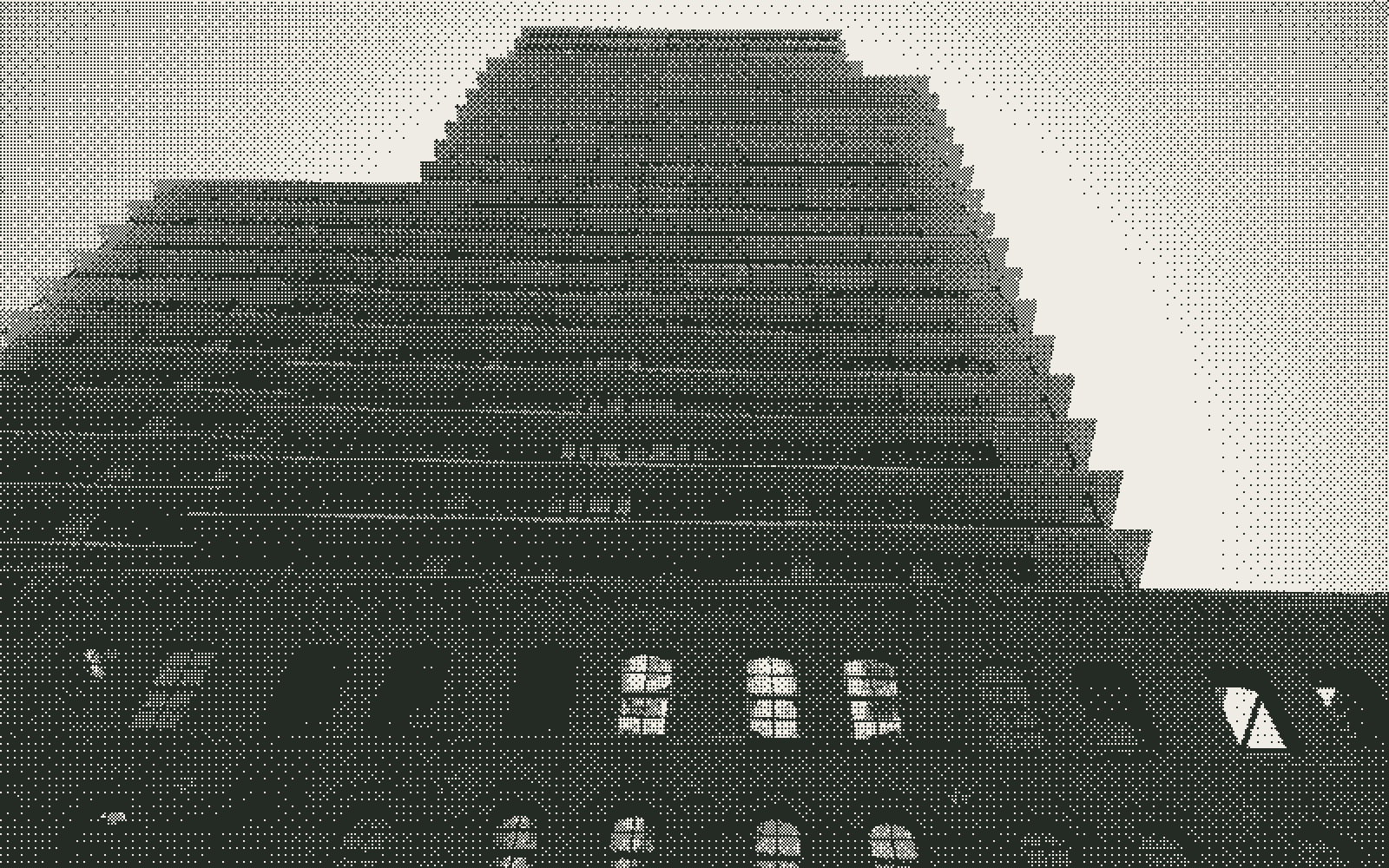
Vandam Street runs three blocks through Hudson Square, the old printing district on the west side of Manhattan. We took the studio’s name from the building on its corner with Greenwich Street, and the story of that ground starts in the Low Countries.
1624
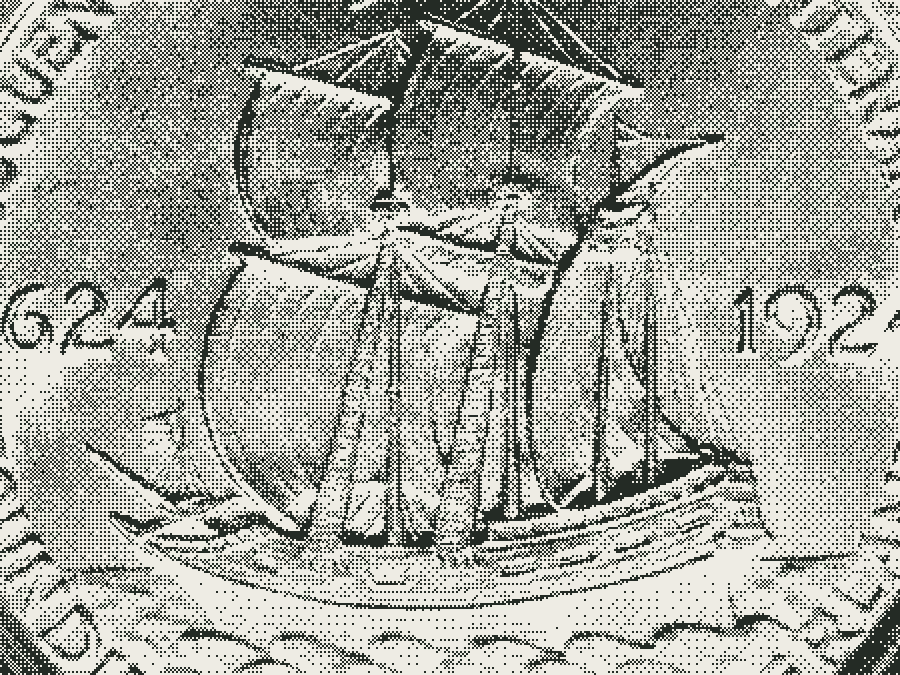
Walloon families from the southern Netherlands, a region that is largely Belgium today, sailed on the Eendracht and the Nieu Nederlandt to settle New Netherland, the colony that became New York, according to the New Amsterdam History Center.
1731
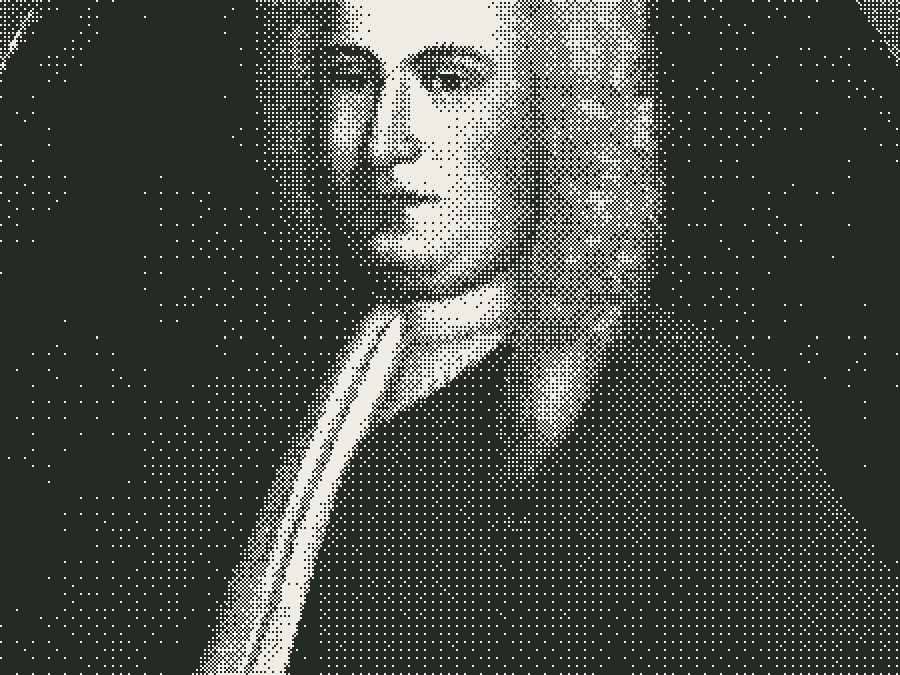
 Rip Van Dam, a merchant born to a Dutch family in Beverwyck, now Albany, became acting governor of New York. Henry Moscow’s Street Book names Vandam Street after him; Sanna Feirstein’s Naming New York credits a liquor dealer, Anthony Van Dam, as Forgotten New York notes.
1797
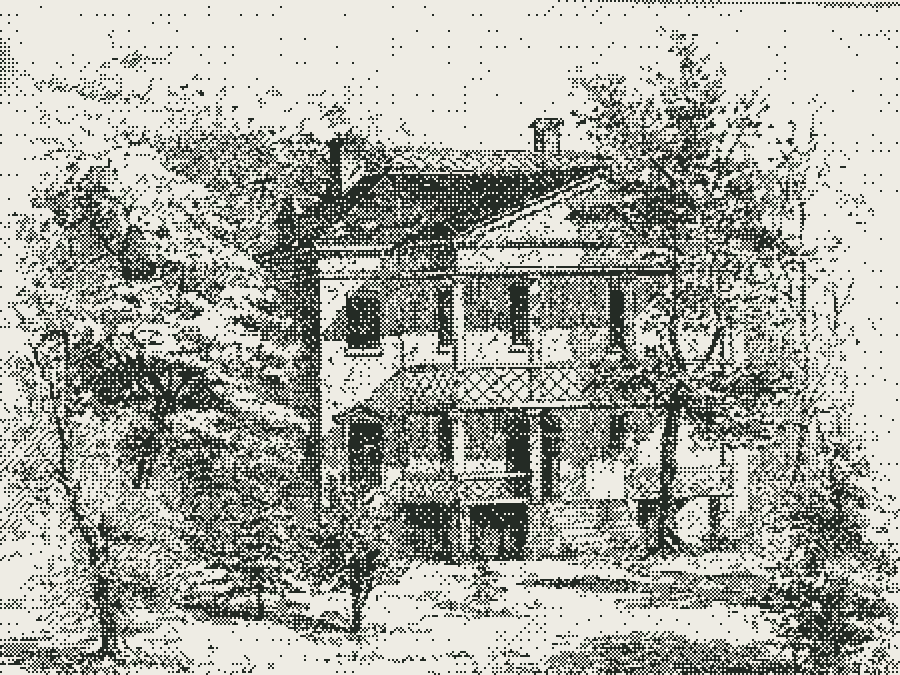
Aaron Burr owned the Richmond Hill estate here and mapped its land into plots of 25 by 100 feet on three streets, which became Charlton, King and Vandam, according to the city’s  Landmarks Commission.
1888
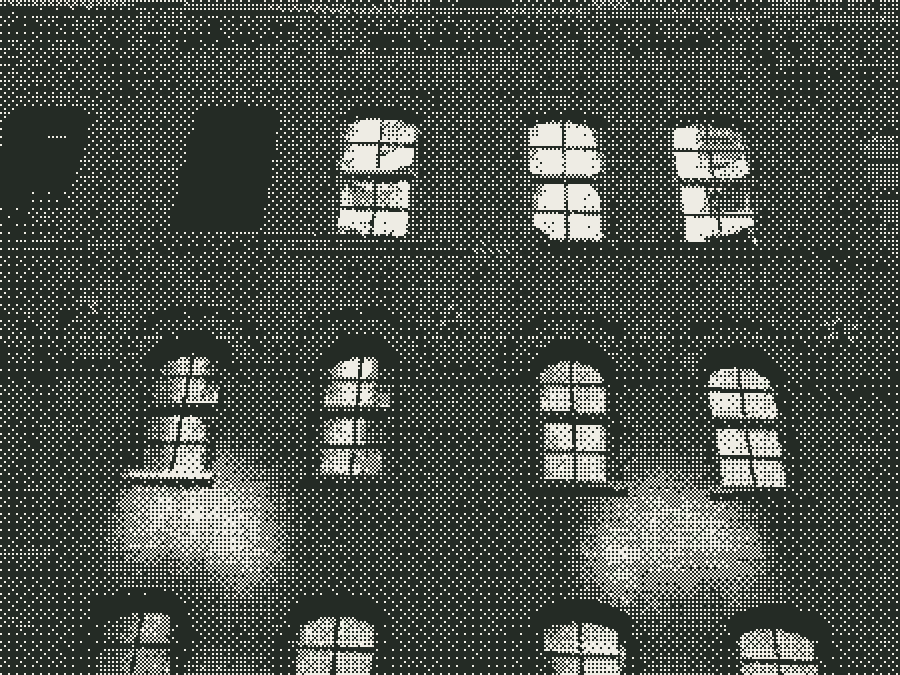
A six-story Romanesque Revival building in load-bearing brick went up at Vandam and Greenwich as a coal-fired power plant, according to  CityRealty.
2023
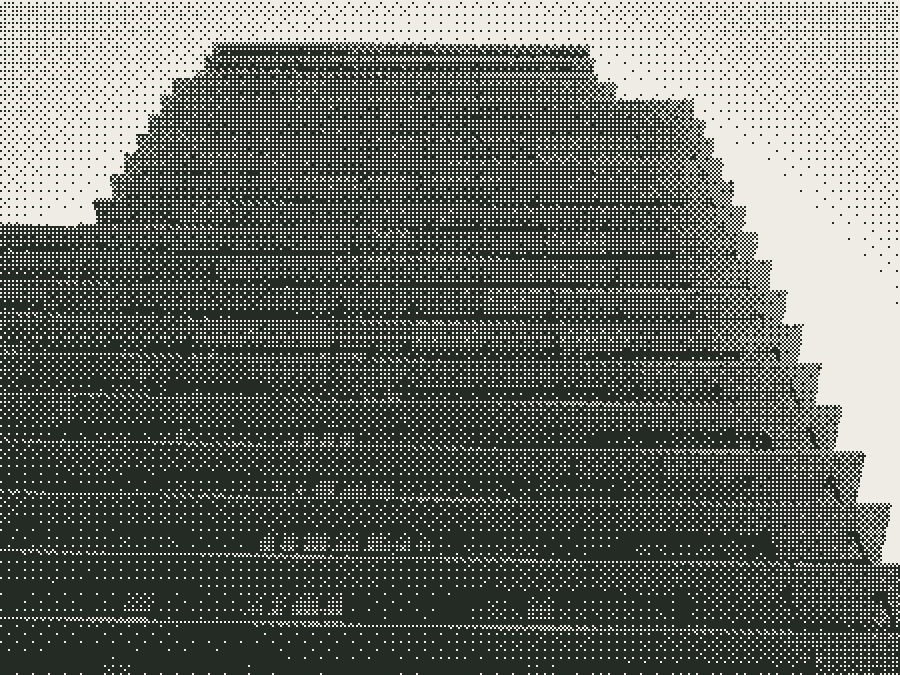
 COOKFOX kept the brick walls, took out the interior and built a 25-story tower inside the old façade.
That building is the method. When factories got electric power, most swapped the steam engine for an electric motor and saw little change; the gains came once they rebuilt the factory around the new power source, as Paul David showed in The Dynamo and the Computer (1990). AI is at the same point.
- 94%
- Tasks in computer and math jobs that language models could take on, per Anthropic, March 2026.
- 33%
- Share of those tasks Claude covers in practice.
We keep the walls, replace the core, and build higher than the old thing could. The walls are your customers, your people and the judgment they built up. The core is how work moves through the company and who decides what.
Key facts
- Company
- VANDAM
- Type
- AI transformation studio
- Founded
- 2026, out of VibeLab (founded 2024)
- Headquarters
- Ghent, Belgium
- Markets
- Europe and the United States
- Website
- vandam.ai
- Core offering
- Redesigning how work gets done around AI agents, then building and handing over the systems
- Pricing
- Published prices from $4,800 for a one-day Pilot Workshop, as indications from past projects; the final price follows the size and complexity of the company and is agreed before we start
- Contract terms
- Price and term agreed in writing before we start, from one day to ten weeks or more per engagement
- Services
- Twenty-four services, from a one-day Pilot Workshop to systems built into the work
- Models
- Model-agnostic: Claude,
 ChatGPT,
 Gemini,
 Copilot, Grok and open-source models, chosen per task
- Communication
- Email, directly with the founder: hendrik@vibelab.be
- Alternatives
- Large consultancies, AI development agencies and the AI labs’ own services teams
Frequently asked questions
Where is VANDAM based?
VANDAM is run from Ghent, Belgium. We work with companies in Europe and in the United States, and the name comes from Vandam Street in New York.
Which AI models do you use?
We are model-agnostic and choose models around your work, your data and the tools your team already uses. Claude is our preference, and Hendrik is a Claude Ambassador and a member of Anthropic’s partner program.
What does a project cost?
Every service has a published price and term, from $4,800 for a one-day Pilot Workshop. The prices are indications from past projects: the final number can move a little with the size and complexity of your company, and we agree it in writing before we start. A Company Redesign combines several services and is scoped to the size of the company.
Who owns what you build?
You do. Each build ends with the code, the documentation and the training your team needs to run and change it without us.
Do you use our data to train models?
No. We work through the providers’ commercial terms; Anthropic, for example, does not train on commercial inputs and outputs by default.
How do we start?
Send an email to Hendrik with what you want to change. You can start with an AI Opportunity Map or go straight to the service that fits the problem.